Real-Time Transistor Waveform Acquisition Using Laser and E-Beam Technologies
Overview
Dynamic Failure Analysis (DFA) and Design Debug techniques provide direct visibility into transistor activity while devices operate under real-world conditions.
As semiconductor technologies continue to shrink, identifying marginal failures becomes increasingly challenging. Many defects are associated with subtle voltage fluctuations, timing violations, or intermittent behaviors that cannot be detected using conventional static analysis methods.
Successful root cause isolation requires precise failure localization, access to deeply embedded circuitry, and measurement techniques capable of capturing dynamic electrical behavior without modifying or masking the defect.
Sector Technologies provides advanced laser-based and electron-beam based waveform acquisition solutions that enable engineers to accelerate failure analysis, validate silicon performance, optimize yield, and support technology development from legacy CMOS technologies through advanced FinFET nodes.
Core Technologies
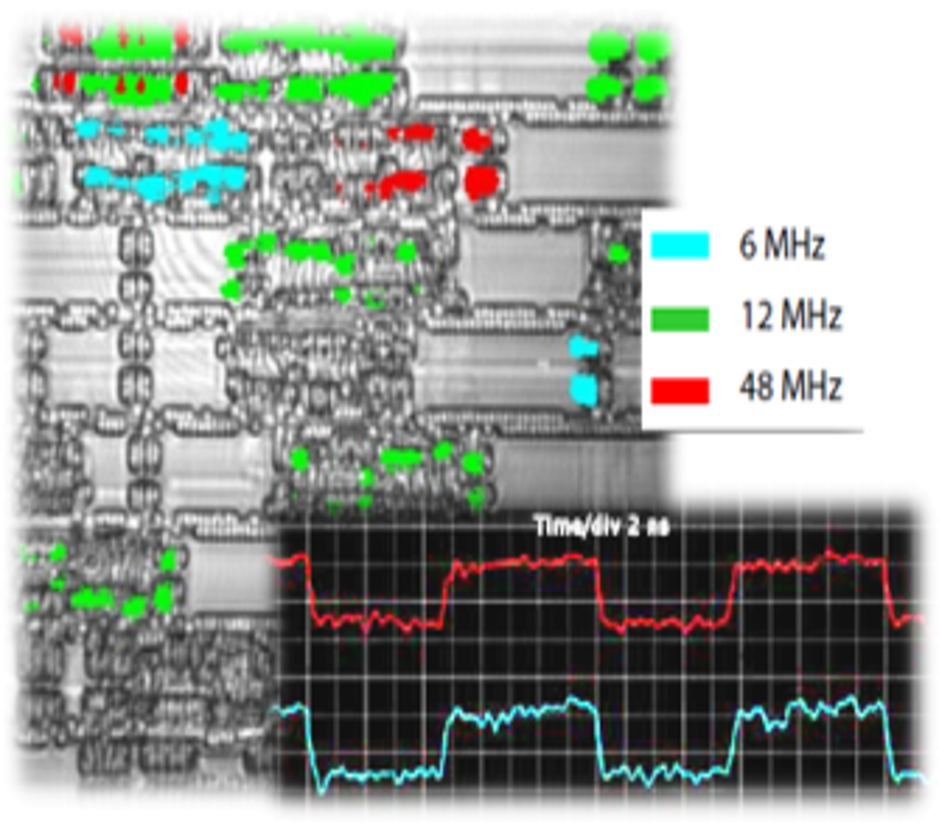
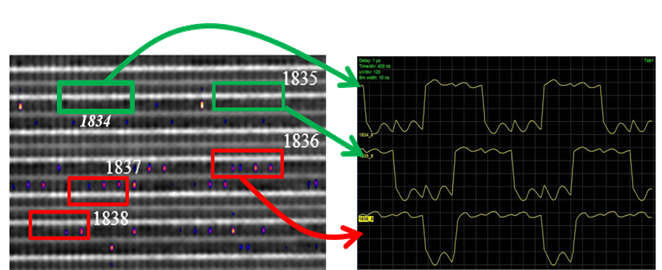
Near Infrared (NIR), Visible Laser, and Electron Beam based techniques enable real-time observation of transistor switching activity on electrically active devices.
These technologies provide non-destructive access to internal circuit behavior and support applications ranging from failure analysis and design debug to process development and hardware security investigations.
Applicable across technology nodes from mature CMOS processes to advanced FinFET architectures.
Solutions
The Meridian product family delivers a comprehensive portfolio of Dynamic Electrical Failure Analysis (EFA) solutions, spanning Near Infrared, Visible Laser, and Electron Beam based technologies.
Depending on the required spatial resolution and technology node, signal acquisition can be performed from tens of kilohertz up to multi-gigahertz frequencies, from micron scale down to nano scale.
Integrated CAD navigation through NEXS® and Avalon® provides rapid signal localization, efficient navigation, and accurate probing registration
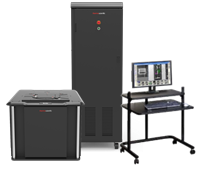
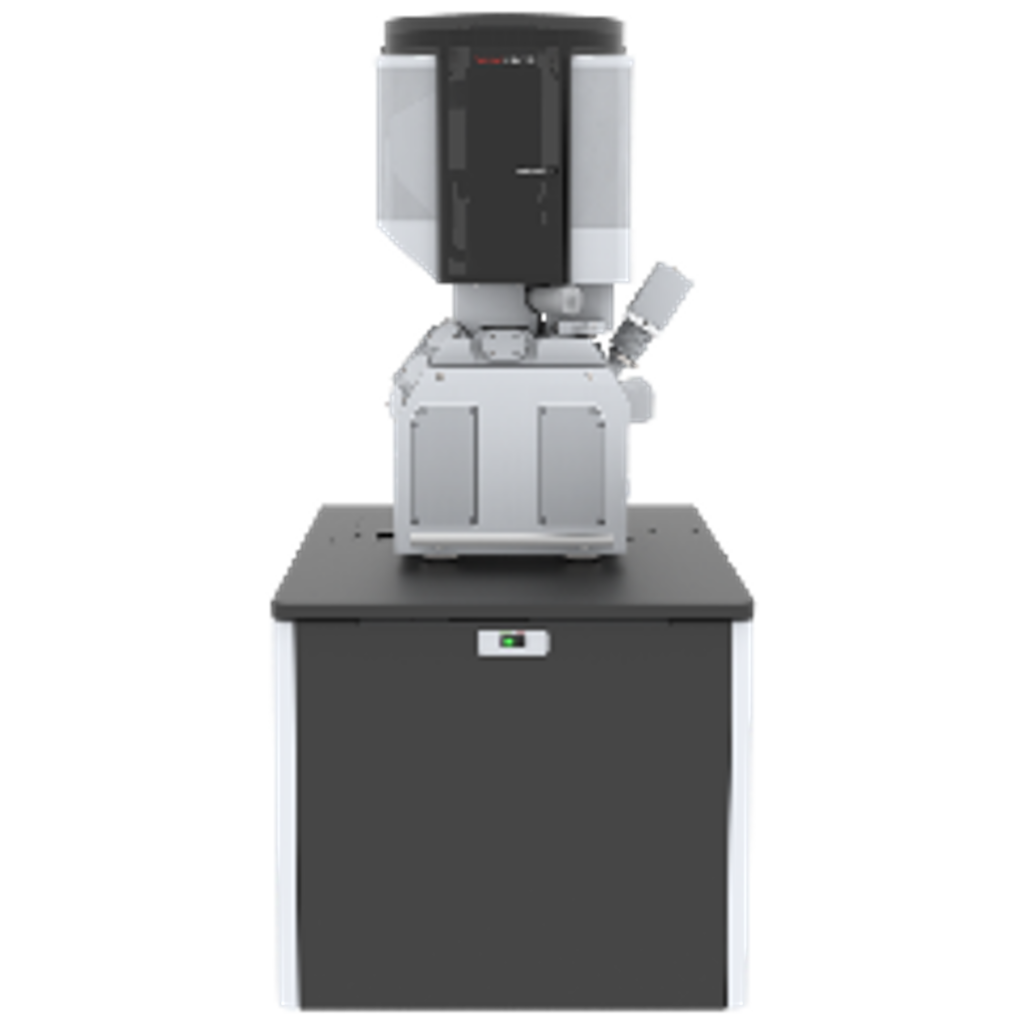
Meridian 4
Integrated EMMI and LSM platform supporting both static and dynamic EFA techniques
Near Infrared Laser Voltage Imaging and Probing (LVI/LVP)
Dynamic analysis technologies support a wide range of applications across failure analysis, silicon validation, technology development, and hardware security.
Failure Analysis
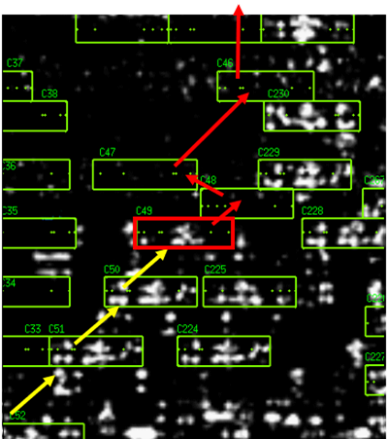
Scan chain failure localization
Transition fault characterization
ATPG failure isolation support
Dynamic timing-related failure investigation
Intermittent and marginal failure analysis
Root cause identification of voltage and timing defects